
Body & Breathwork Practices
Modern lifestyles have caused many of us to lose touch with our bodies, leaving us feeling like we exist only in our heads, identified entirely with our thoughts and ideas about the world. Over time, that disconnection can leave us feeling ungrounded, anxious, and scattered.
The practices in this section work with the mind, breath, and body together. They can help you create space throughout your body, release built-up tension, regulate your breath, and calm your nervous system. With time, these practices help slowly pull us out of our heads and into our bodies, opening a new world of sensation, experience, and presence that many of us have unknowingly been cut off from throughout our lives.

Throughout history, the breath has been used as a powerful tool for transformation, from yogic breath practices in India and Qigong in China, to spiritual and healing ceremonies in indigenous cultures around the world. These cultures all had a deeper understanding of how conscious breathing can affect the body and mind.
Most of us spend our days breathing in short, shallow patterns, which can keep our body and nervous system in a heightened and tense state. Breathwork practices help us break out of this cycle by bringing awareness to the breath, expanding the lungs, sinking the breath down into the belly, and regulating our breathing. This helps shift the body out of fight or flight, reduce stress and anxiety, and create a calm foundation for meditation or daily life.
The practices I’ve included here are focused on regulating the breath and calming the nervous system. There are more forceful breathing techniques out there like the Wim Hof technique or various yogic breath practices, but without proper technique and guidance, they can leave you ungrounded and scattered. If you’re new to breathwork, stick with the gentle practices here and use them before your meditation practice or whenever you need a reset throughout the day.
Breathwork Practices
Physiological Sigh
The physiological sigh is a technique popularized by neuroscientist Andrew Huberman. You start with a deep breath filling the lungs, then a second shorter breath, followed by a long, slow exhale through the mouth. This breathing pattern helps our body regulate stress and oxygen levels, and it can quickly shift the nervous system from a state of fight or flight to calm. A slight variation of this practice, which is how I was taught, involves adding a third breath to help fill out and expand the lungs before the long exhale. This practice should be done for about 5-10 minutes to get the full benefits.
Box Breathing
Box breathing is another simple but effective breathing practice that helps calm the mind and regulate the nervous system. It involves inhaling for four seconds, holding for four, exhaling for four, and holding again for four. This practice can be really useful before meditation or anytime you need to reset and ground yourself. A slight variation of this practice, which is how I was taught, is to use a count of 7 seconds instead of 4. Similar to the physiological sigh, you can practice this for 5-10 minutes to get the full benefits.
Anchoring the Breath
Anchoring the breath is a foundational practice for Qigong and other internal training systems. It works with the mind, body, and breath all at once by slowly working from the nose down to your abdomen and resting your attention on specific areas as you go. The key is to listen and observe without trying to change the breath. Over time, this slows down your breathing, allows it to naturally sink deeper into the belly, and creates space within the body, which helps develop a stronger internal awareness. All of this helps pull you out of your head and grounds you in the body.
Below, you’ll find two videos. The first is an overview of the practice, and the second is a 39-minute guided session. Once you learn the technique, you can practice on your own for a shorter duration.

Body Scanning
Body scanning is a fairly simple but powerful way to bring your awareness into the body. It’s typically done laying down, but can also be done seated as a more formal meditation practice. You start by bringing your attention to a specific part of your body like your feet or hands, and then systematically move through the entire body, pausing in each area to observe.
You’re not trying to do anything, or change anything, just notice any sensation you can in the area you’re putting your attention on. This can be heat, tingling, tension, or even emotions that may be triggered when you rest your awareness in a certain place.
As you move through the practice, your awareness gradually moves out of your head and into the body, leaving you feeling more grounded and less caught up in mental chatter.
This practice can help you reconnect with your body by developing more internal awareness, release tension, and ground you in your body more throughout the day. It’s a great practice to do before your regular seated meditation or whenever you’re feeling scattered.
You can find a couple videos below, but there are tons of options on YouTube of various lengths.

Grounding
For anyone engaging with internal practices, learning how to recognize when you’re feeling ungrounded, and taking steps to address it, are critical for overall well being. Consistent long meditation sits, meditation retreats, psychedelics, forceful breathwork, or intentionally moving energy through the body with practices like Qigong, can all lead to feelings of being ungrounded when they’re not done properly. It’s not always obvious when this is happening, and it can be something that unfolds gradually over months as incorrect or forceful techniques build these patterns into your body and mind.
The sense of being ungrounded exists on a spectrum, and can be include many different sensations or experiences: a scattered mind, feeling spaced out, dissociation, anxiety, or derealization among others. If these kinds of feelings are coming up for you, It’s best to step away from whatever internal practice you’re engaging in and focus on your physical body until things settle.
These practices can produce wild and profound effects at times, which can feel like progress and make you want to push harder. In reality, oftentimes you may be going off the rails and need to take a step back.
Some of the most effective ways to ground yourself are going for a run or walk, spending time in nature, lifting weights, focusing on good sleep and nutrition, and spending time with friends and family. If you do feel the need to continue with internal work, try to focus on things like loving kindness meditation, body scanning, or practices that encourage letting go and relaxing the mind and body.

Mobility and strength are often ignored in a lot of meditation traditions, but they have a surprisingly strong effect on the mind, our practice, and our health. If we take the view that the mind and body are deeply interconnected, then more comfort in the body means more comfort in the mind. If you struggle with your posture, pain, and tension every time you try to meditate, the practice becomes much harder as you push against all those physical sensations.
Building core strength, opening the hips and spine, and releasing tension in the body, all have a dramatic impact on your ability to sit and be at ease. A lot of us have chronic tension, often because some muscles are overcompensating for weaker ones to maintain our structure. By building strength in the right places, that tension begins to loosen its grip, and the mind relaxes along with it.
Beyond being good for practice, when the spine and joints are more open, it improves nerve function, allows energy to move more freely, helps with injury prevention, and is great for overall health.
Mobility
Spine Waves (Two Variations)
Mobility, Core Strength, Stretching
Walking Meditation
If your seated practice is feeling a bit stagnant, walking meditation can be a great way to change things up. With any internal training, the aim is to have the qualities you develop on the cushion carry over into all aspects of your life, and walking meditation is perfect for helping to bridge that gap.
Walking Meditation Practice:
In this practice, rather than keeping your attention on the breath, your focus is on the sensations of your feet. It’s helpful to walk very slowly so you can keep your mind focused, noticing as many sensations as possible. As you develop your skill, you can begin to use this technique whenever you’re walking around the house or outside. This can help bring you more moments of presence as you move through the world.
Pick an area in your house or outside where you can get about 10-20 small steps before needing to turn around. Choose a foot to start with and notice any sensations as it lifts off the ground, moves through the air, and then lands back on the ground. Then shift your attention to the other foot and repeat. Each step can take anywhere from 5-10 seconds, or longer. You can do this practice for as long as you wish.
Whenever you notice that your attention has drifted into thoughts or distractions around you, pause, bring your attention back to the sensations of the foot and continue walking.
If you’re finding it difficult to keep your attention on your foot, you can add another layer to help keep your mind focused on the task. As you walk, say out loud or silently in your head “lifting”, “moving”, “placing” as you go.
With practice, as your mind grows more calm and concentrated, more of your mental energy is able to focus on the foot, and the amount of sensations you can feel will go up, making it easier to stay focused.
Alternate Walking Meditation Instructions:

Yin Yoga is a slower and more meditative form of yoga where you hold postures for 2-5+ mins each. In Hatha or Vinyasa yoga, there's a stronger focus on alignment, strength, and dynamic movement. Yin Yoga focuses on opening the joints and stretching the fascia and ligaments to help connect the body.
By holding the postures for extended periods of time, you can settle in and bring your awareness to the area you’re stretching. Through focused attention, slow breathing, and intentional relaxation of the body, the tension begins to release. Depending on how tight you are, this will usually start with the larger muscles in an area. Over time, you’ll be able to place your mind more fully into the body and release progressively deeper layers of tension.
Make sure to balance these practices out with some strength building. You can stretch the body all day, but without building strength into those newly released areas, they’ll be weak and the tension will eventually reappear.
Yin Yoga
Yin Yoga Guided Videos:
Yin Yoga Books:
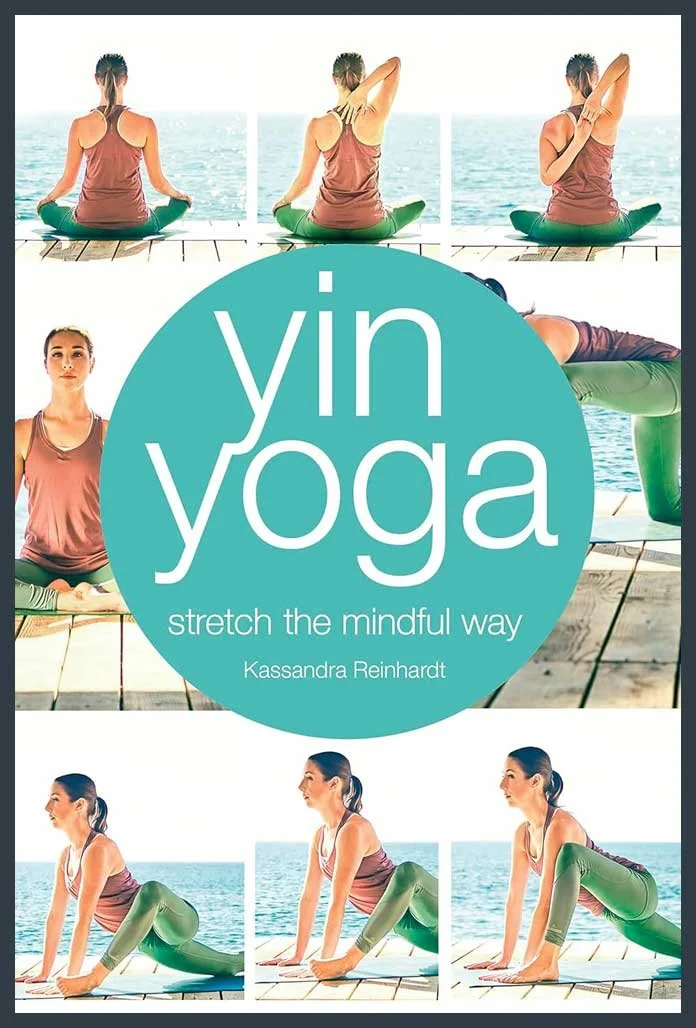
Yin Yoga: Stretch the Mindful Way - Kassandra Reinhardt
“Yin yoga offer remedies to the stresses of your busy yang life. Each restorative pose targets your deeper fascia and connective tissues, helping you experience increased flexibility and improved joint health.”
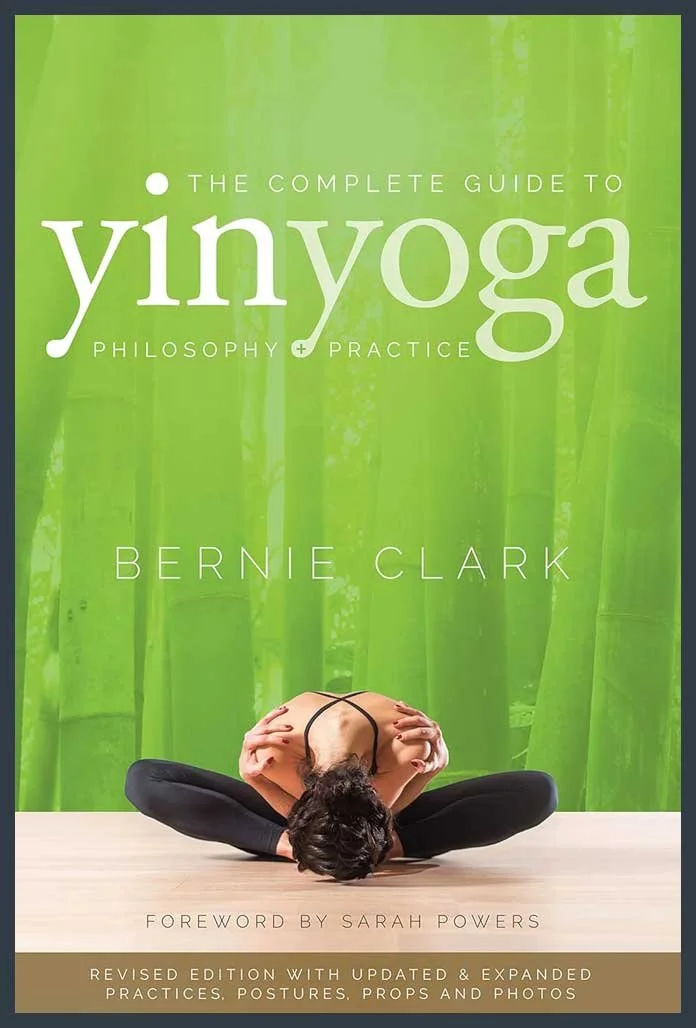
The Complete Guide To Yin Yoga - Bernie Clark
“This second edition of the best selling The Complete Guide to Yin Yoga provides an in-depth look at the philosophy and practice of Yin Yoga with illustrated sections on how to practice Yin Yoga, including detailed descriptions and photographs of over 30 Yin Yoga asanas.”

Yoga Nidra
Yoga Nidra and body scanning meditations have a lot of overlap with technique, but the aim of each practice is quite different. With body scanning, you’re trying to stay alert and sharp, noticing whatever sensations arise in the area you’re focusing on. Yoga Nidra is a bit more passive and focuses on relaxation.
It’s done lying down, and you gently move your awareness through different parts of the body in a systematic way, which leads you into a deeply relaxed state. Andrew Huberman refers to it as “Non-Sleep Deep Rest” where you’re resetting your nervous system, and getting the benefits of sleep while still awake.
This practice isn’t necessarily going to directly help your internal training, but if you’re feeling anxious, ungrounded, or just tired, it’s a very helpful tool to rest and reset in the middle of the day.

Qi Gong & Tai Chi
Coming soon.
This website is being continually updated so please check back regularly for new content.

Discover More
Explore the pages below to learn more about meditation and other forms of internal work.